PRACTICAL GUIDE10 Walking Tips for Joint Health
Updated August 2026 · General wellness education
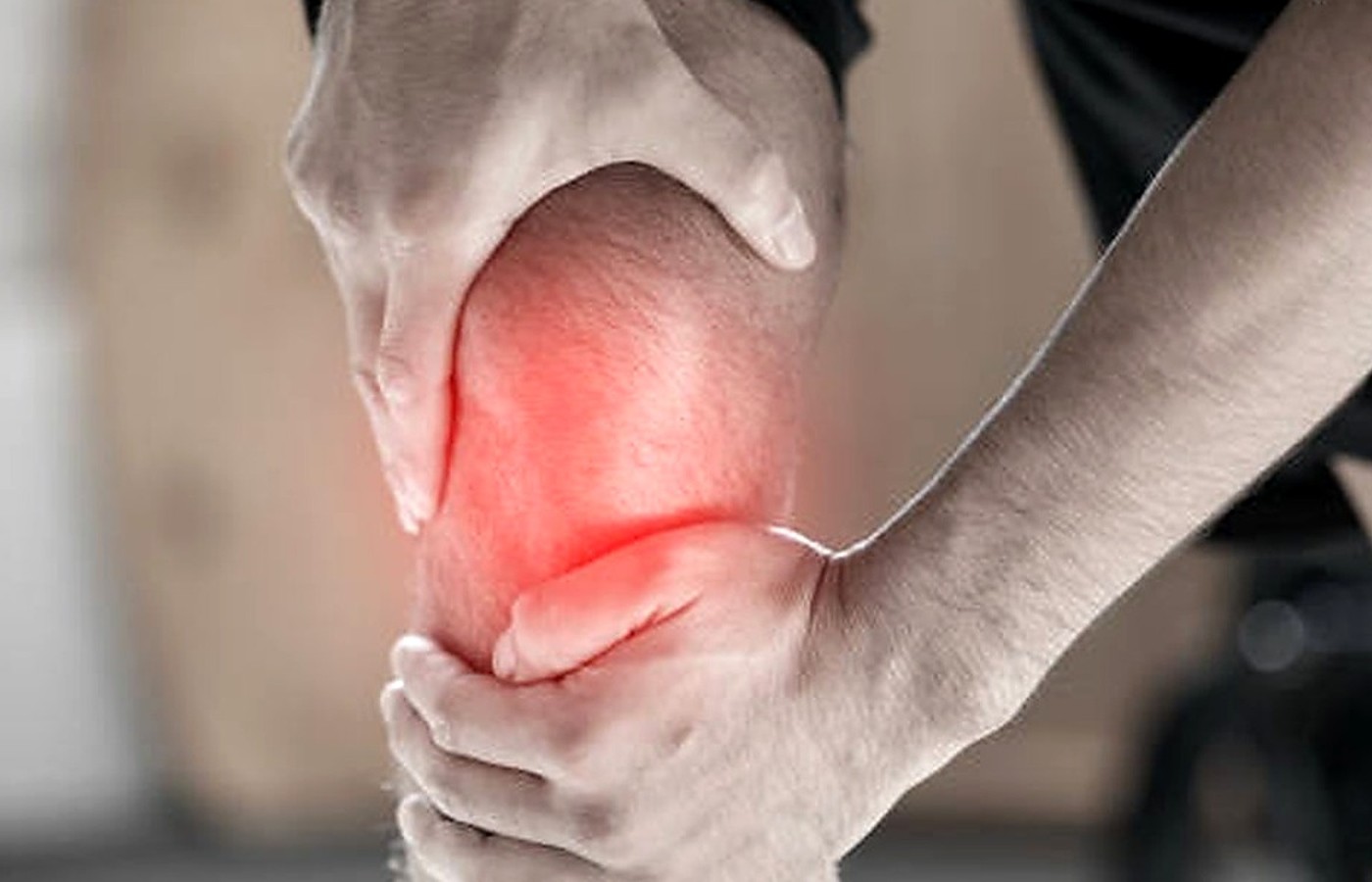
When people work on joint health, the small decisions around walking often matter more than a perfect plan. Use these ideas as a flexible starting point.
10 practical ideas for walking
1. Use supportive footwear for repeated walkingKeep walking simple: use supportive footwear for repeated walking. Small, consistent adjustments are easier to evaluate than abrupt changes.
2. Prioritize recovery after unusually hard activityA repeatable Joint Health habit is to prioritize recovery after unusually hard activity. Use this as a general habit idea rather than a promise of a specific result.
3. Keep body weight in a range that reduces excess joint load when appropriateWhen reviewing walking, it may help to keep body weight in a range that reduces excess joint load when appropriate. If this conflicts with medical advice you have received, follow your clinician's guidance.
4. Use good lifting mechanicsFor walking, consider how you can use good lifting mechanics. Start with a version that feels realistic for your schedule.
5. Increase activity volume slowlyOne practical option is to increase activity volume slowly, especially when planning walking. The best choice depends on your health, preferences, and any medicines or conditions you have.
6. Build strength around major joints graduallyKeep walking simple: build strength around major joints gradually. Small, consistent adjustments are easier to evaluate than abrupt changes.
7. Take movement breaks during long sitting periodsA repeatable Joint Health habit is to take movement breaks during long sitting periods. Use this as a general habit idea rather than a promise of a specific result.
8. Seek care for swelling, locking, injury, or persistent painWhen reviewing walking, it may help to seek care for swelling, locking, injury, or persistent pain. If this conflicts with medical advice you have received, follow your clinician's guidance.
9. Maintain a comfortable range of motionFor walking, consider how you can maintain a comfortable range of motion. Start with a version that feels realistic for your schedule.
10. Use low-impact movement regularlyOne practical option is to use low-impact movement regularly, especially when planning walking. The best choice depends on your health, preferences, and any medicines or conditions you have.
Optional Joint Health resource
Affiliate disclosure: Miresta Health may earn a commission if you purchase through this link, at no extra cost to you. The resource is optional and is not a substitute for medical care.
View related resourceWhat to notice as you go
Pay attention to energy, comfort, sleep, appetite, symptoms, and how easy the routine is to repeat. A simple note on your phone can help you spot patterns without obsessing over daily fluctuations.
When professional guidance matters
General wellness tips cannot account for your full medical history. If you have persistent or worsening symptoms, abnormal test results, take prescription medicines, are pregnant, or are considering a major change related to joint health, speak with a qualified healthcare professional.