PRACTICAL GUIDE15 Everyday Tips for Hair Growth
Updated August 2026 · General wellness education
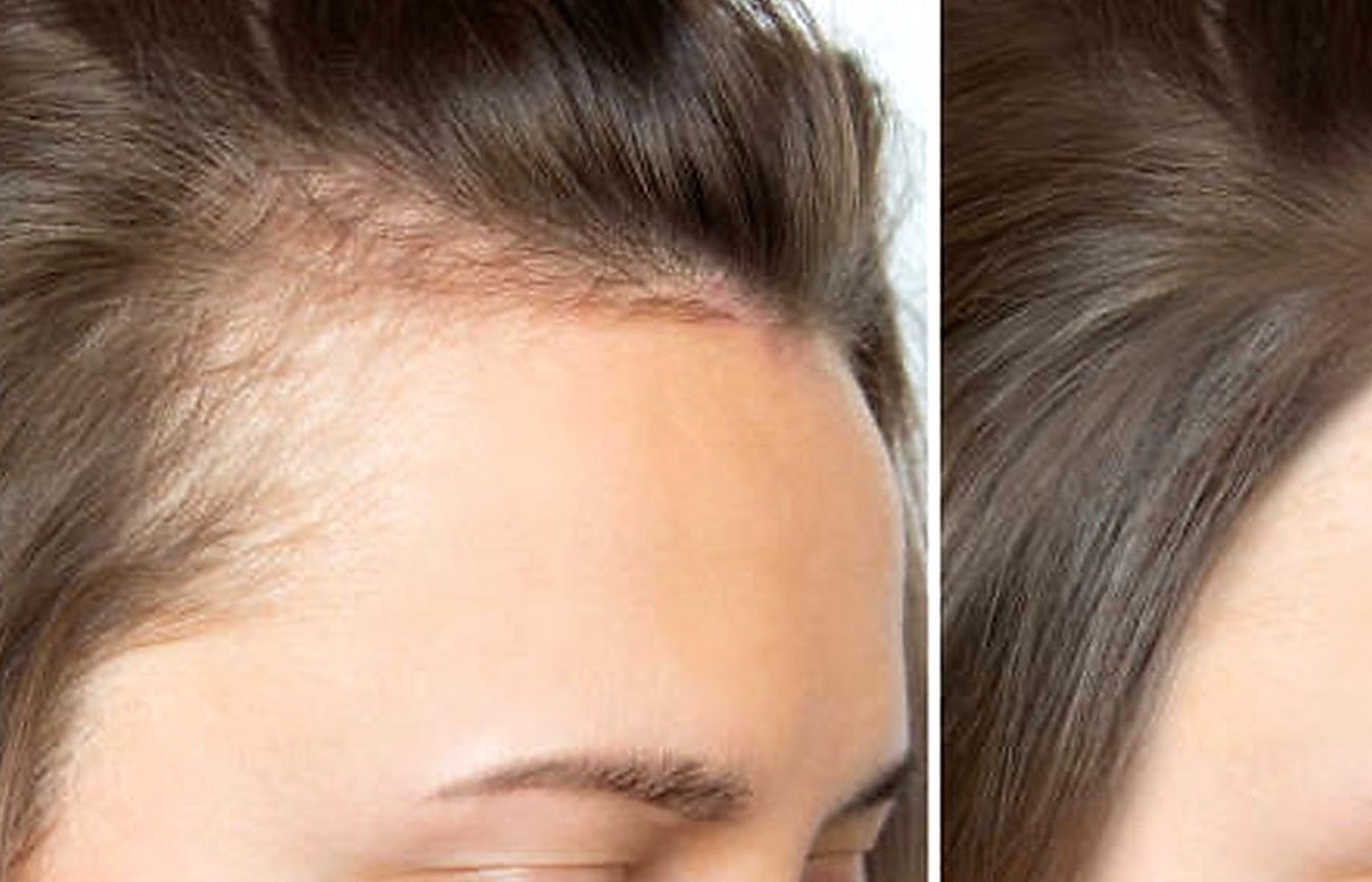
A useful hair growth routine does not need to be complicated. This guide focuses on everyday habits and highlights practical choices you can fit into normal life.
15 practical ideas for everyday habits
1. Manage stress and sleep routinesFor everyday habits, consider how you can manage stress and sleep routines. Start with a version that feels realistic for your schedule.
2. Protect hair from repeated chemical damageOne practical option is to protect hair from repeated chemical damage, especially when planning everyday habits. The best choice depends on your health, preferences, and any medicines or conditions you have.
3. Avoid unnecessary supplement megadosesKeep everyday habits simple: avoid unnecessary supplement megadoses. Small, consistent adjustments are easier to evaluate than abrupt changes.
4. See a clinician for sudden or patchy hair lossA repeatable Hair Growth habit is to see a clinician for sudden or patchy hair loss. Use this as a general habit idea rather than a promise of a specific result.
5. Treat dandruff or scalp irritation appropriatelyWhen reviewing everyday habits, it may help to treat dandruff or scalp irritation appropriately. If this conflicts with medical advice you have received, follow your clinician's guidance.
6. Eat a balanced diet with adequate proteinFor everyday habits, consider how you can eat a balanced diet with adequate protein. Start with a version that feels realistic for your schedule.
7. Track shedding changes over timeOne practical option is to track shedding changes over time, especially when planning everyday habits. The best choice depends on your health, preferences, and any medicines or conditions you have.
8. Handle wet hair gentlyKeep everyday habits simple: handle wet hair gently. Small, consistent adjustments are easier to evaluate than abrupt changes.
9. Use gentle scalp and hair careA repeatable Hair Growth habit is to use gentle scalp and hair care. Use this as a general habit idea rather than a promise of a specific result.
10. Avoid excessive heat and tight hairstylesWhen reviewing everyday habits, it may help to avoid excessive heat and tight hairstyles. If this conflicts with medical advice you have received, follow your clinician's guidance.
11. Manage stress and sleep routinesFor everyday habits, consider how you can manage stress and sleep routines. Start with a version that feels realistic for your schedule.
12. Protect hair from repeated chemical damageOne practical option is to protect hair from repeated chemical damage, especially when planning everyday habits. The best choice depends on your health, preferences, and any medicines or conditions you have.
13. Avoid unnecessary supplement megadosesKeep everyday habits simple: avoid unnecessary supplement megadoses. Small, consistent adjustments are easier to evaluate than abrupt changes.
14. See a clinician for sudden or patchy hair lossA repeatable Hair Growth habit is to see a clinician for sudden or patchy hair loss. Use this as a general habit idea rather than a promise of a specific result.
15. Treat dandruff or scalp irritation appropriatelyWhen reviewing everyday habits, it may help to treat dandruff or scalp irritation appropriately. If this conflicts with medical advice you have received, follow your clinician's guidance.
Optional Hair Growth resource
Affiliate disclosure: Miresta Health may earn a commission if you purchase through this link, at no extra cost to you. The resource is optional and is not a substitute for medical care.
View related resourceHow to make the ideas easier to follow
Choose two ideas that fit your current routine, test them for a week, and keep the ones that feel realistic. Consistency is usually more useful than changing everything at once.
When professional guidance matters
General wellness tips cannot account for your full medical history. If you have persistent or worsening symptoms, abnormal test results, take prescription medicines, are pregnant, or are considering a major change related to hair growth, speak with a qualified healthcare professional.