PRACTICAL GUIDE15 Everyday Tips for Eye Health
Updated August 2026 · General wellness education
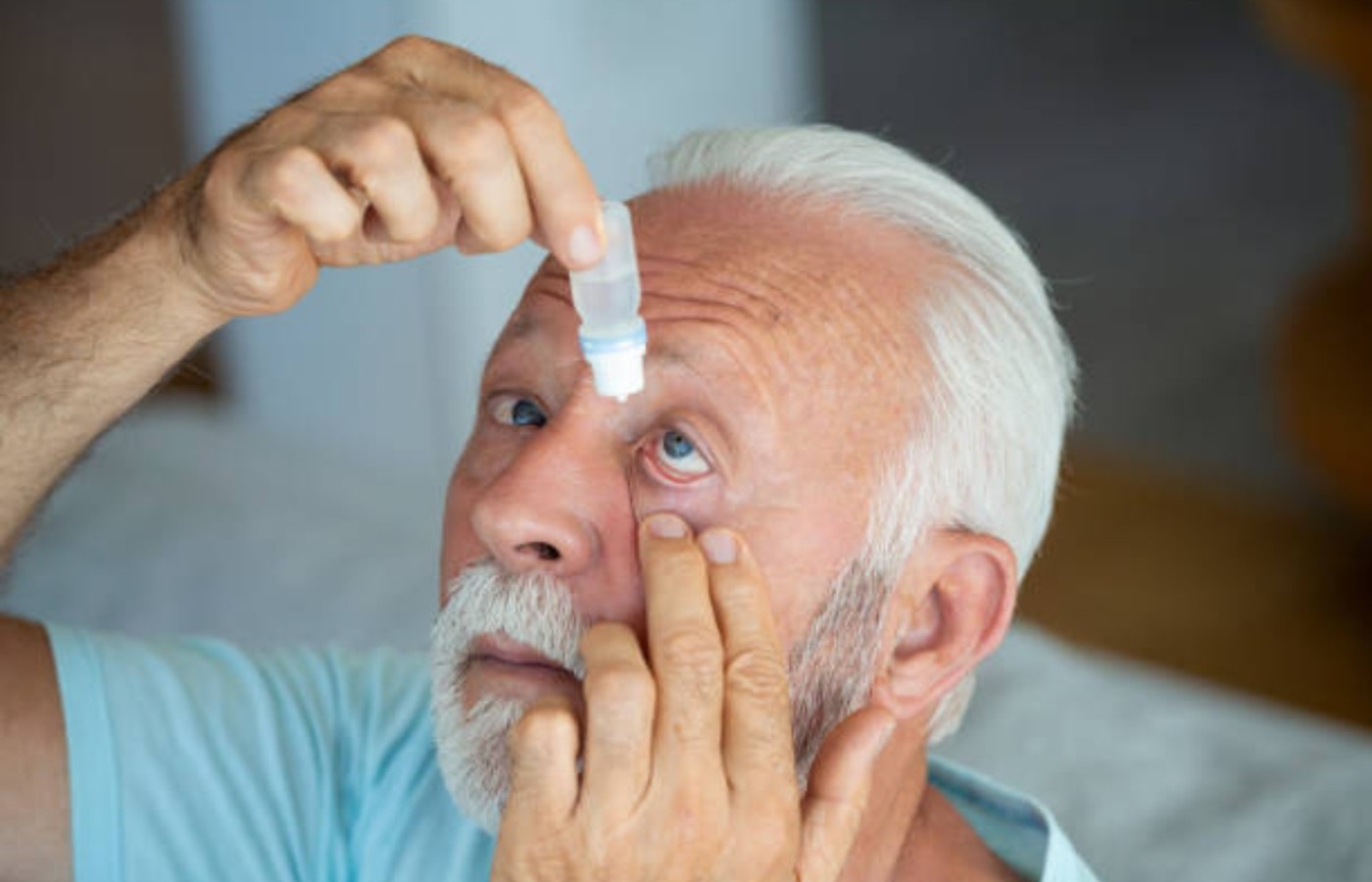
This eye health guide takes a practical look at everyday habits. The goal is to make everyday decisions easier without turning wellness into an all-or-nothing project.
15 practical ideas for everyday habits
1. Take screen breaks and blink regularlyFor everyday habits, consider how you can take screen breaks and blink regularly. Start with a version that feels realistic for your schedule.
2. Use contact lenses exactly as instructedOne practical option is to use contact lenses exactly as instructed, especially when planning everyday habits. The best choice depends on your health, preferences, and any medicines or conditions you have.
3. Keep regular eye examsKeep everyday habits simple: keep regular eye exams. Small, consistent adjustments are easier to evaluate than abrupt changes.
4. Eat a varied diet with colorful produceA repeatable Eye Health habit is to eat a varied diet with colorful produce. Use this as a general habit idea rather than a promise of a specific result.
5. Use adequate lighting for close workWhen reviewing everyday habits, it may help to use adequate lighting for close work. If this conflicts with medical advice you have received, follow your clinician's guidance.
6. Do not smokeFor everyday habits, consider how you can do not smoke. Start with a version that feels realistic for your schedule.
7. Seek urgent care for sudden vision loss, flashes with a curtain-like shadow, or eye injuryOne practical option is to seek urgent care for sudden vision loss, flashes with a curtain-like shadow, or eye injury, especially when planning everyday habits. The best choice depends on your health, preferences, and any medicines or conditions you have.
8. Manage diabetes and blood pressureKeep everyday habits simple: manage diabetes and blood pressure. Small, consistent adjustments are easier to evaluate than abrupt changes.
9. Avoid sleeping in lenses unless specifically approvedA repeatable Eye Health habit is to avoid sleeping in lenses unless specifically approved. Use this as a general habit idea rather than a promise of a specific result.
10. Wear UV-blocking sunglasses outdoorsWhen reviewing everyday habits, it may help to wear UV-blocking sunglasses outdoors. If this conflicts with medical advice you have received, follow your clinician's guidance.
11. Take screen breaks and blink regularlyFor everyday habits, consider how you can take screen breaks and blink regularly. Start with a version that feels realistic for your schedule.
12. Use contact lenses exactly as instructedOne practical option is to use contact lenses exactly as instructed, especially when planning everyday habits. The best choice depends on your health, preferences, and any medicines or conditions you have.
13. Keep regular eye examsKeep everyday habits simple: keep regular eye exams. Small, consistent adjustments are easier to evaluate than abrupt changes.
14. Eat a varied diet with colorful produceA repeatable Eye Health habit is to eat a varied diet with colorful produce. Use this as a general habit idea rather than a promise of a specific result.
15. Use adequate lighting for close workWhen reviewing everyday habits, it may help to use adequate lighting for close work. If this conflicts with medical advice you have received, follow your clinician's guidance.
Optional Eye Health resource
Affiliate disclosure: Miresta Health may earn a commission if you purchase through this link, at no extra cost to you. The resource is optional and is not a substitute for medical care.
View related resourceA practical weekly reset
Once a week, review what worked, what got in the way, and one small adjustment for the next seven days. Keep the plan specific enough that you know what to do on a busy day.
When professional guidance matters
General wellness tips cannot account for your full medical history. If you have persistent or worsening symptoms, abnormal test results, take prescription medicines, are pregnant, or are considering a major change related to eye health, speak with a qualified healthcare professional.